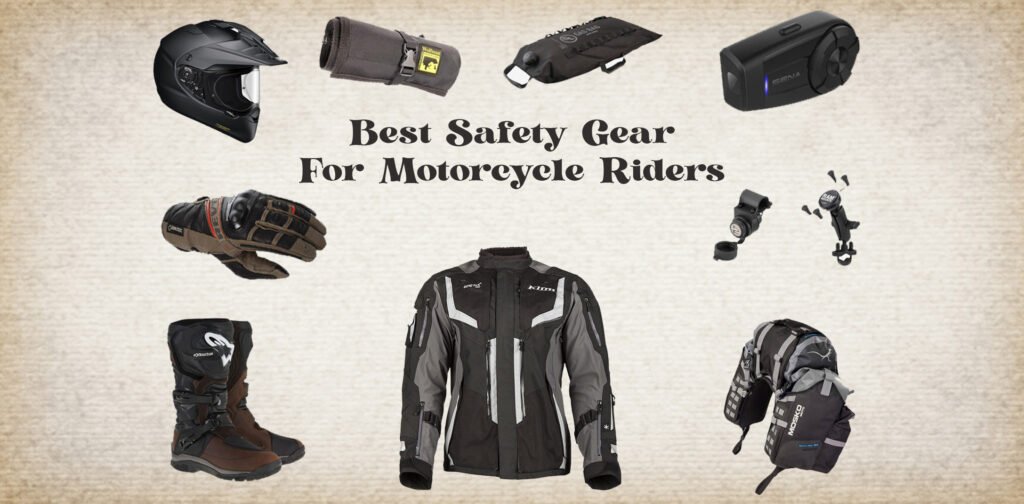
Riding a superbike is an exciting experience, but it also comes with great responsibility. Whether you own a Kawasaki Ninja ZX-10R, BMW S1000RR, Ducati Panigale V4, Honda CBR1000RR-R Fireblade, or Yamaha YZF-R1, wearing the right riding gear is just as important as owning a high-performance motorcycle.
Many new riders spend lakhs of rupees on a superbike but overlook quality safety gear. A powerful motorcycle can accelerate from 0 to 100 km/h in just a few seconds, making proper protection essential. Good riding gear not only reduces the risk of serious injury during an accident but also improves comfort, confidence, and riding performance.
Modern riding gear is designed using advanced materials such as carbon fiber, Kevlar, Cordura, leather, and impact-absorbing armor. These materials protect riders from abrasion, impacts, and changing weather conditions.
In this guide, we’ll cover the essential riding gear every superbike rider should own, explain why each item is important, and share practical tips to help you choose the right equipment.
Why Riding Gear Matters
Many riders believe that accidents only happen at high speeds, but even a low-speed fall can cause serious injuries without proper protection.
Quality riding gear provides:
- Better impact protection
- Abrasion resistance
- Weather protection
- Improved rider confidence
- Greater comfort on long rides
- Increased visibility in traffic
Think of riding gear as an investment in your safety rather than an optional accessory.
1. Full-Face Helmet
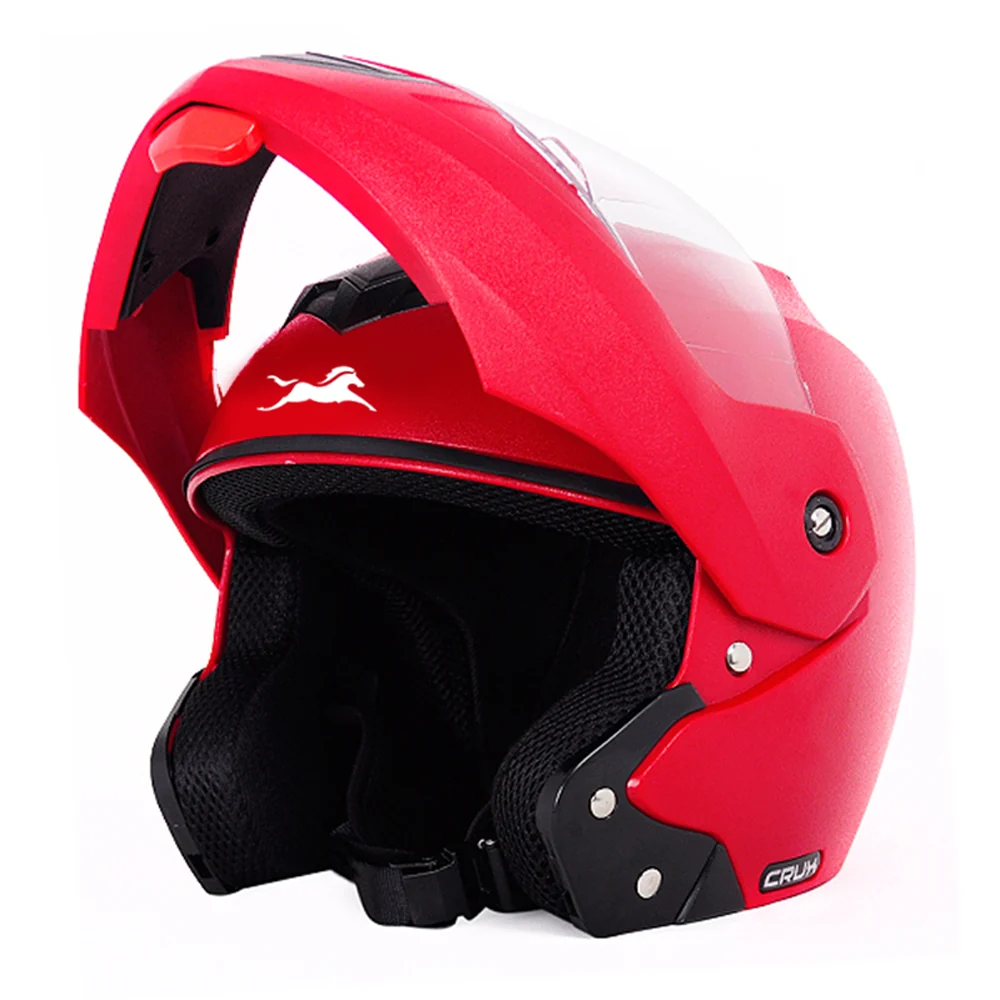
A helmet is the single most important piece of riding equipment. It protects your head, face, and jaw in the event of an accident.
What to Look For
- Full-face design
- Strong shell construction
- Good ventilation
- Anti-fog visor
- Comfortable inner padding
- Emergency quick-release cheek pads
Safety Certifications
Choose helmets with recognized safety certifications such as:
- ECE 22.06
- DOT
- ISI
- SNELL (for premium racing helmets)
A properly fitted helmet should feel snug without causing discomfort.
2. Riding Jacket
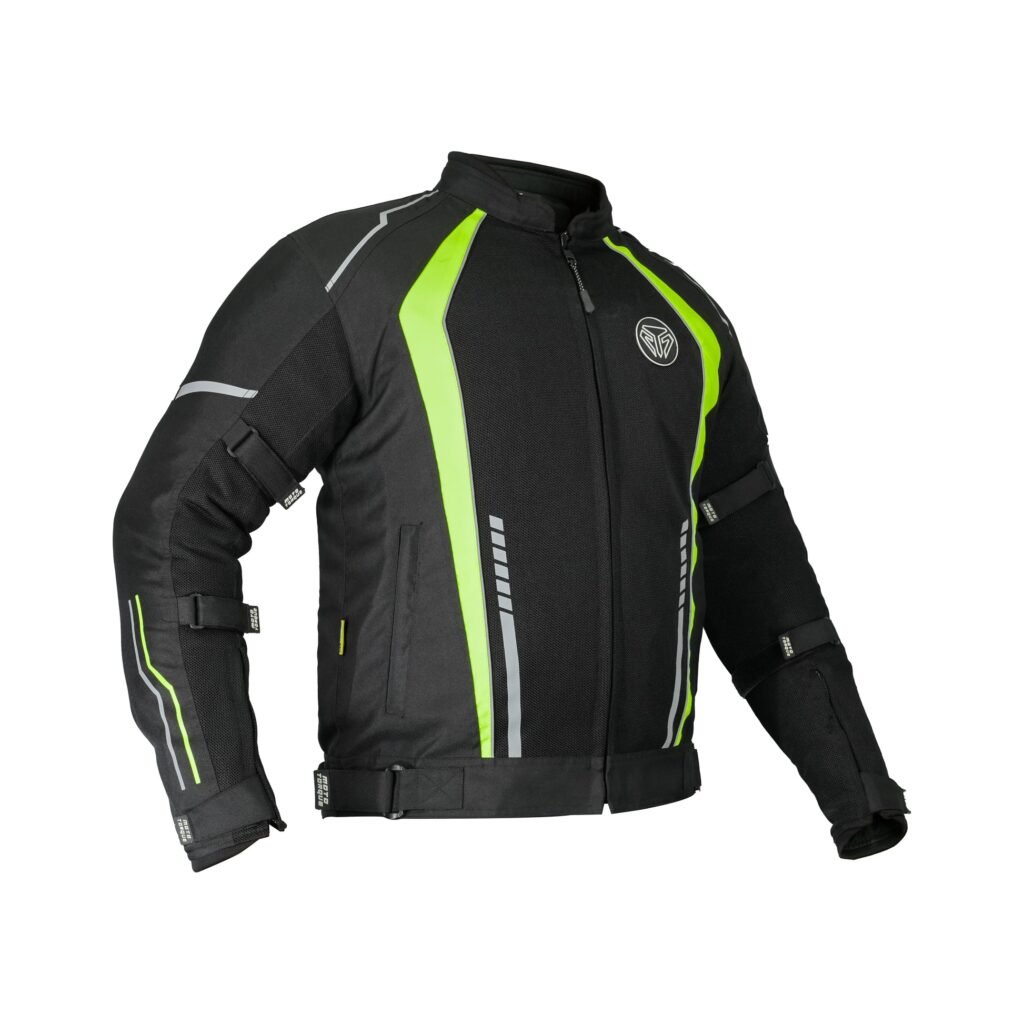
A riding jacket protects your upper body from impacts, road abrasion, wind, and weather.
Modern jackets include built-in armor for the shoulders, elbows, and back.
Popular Materials
- Leather
- Cordura Textile
- Mesh (for hot weather)
- Kevlar Reinforced Fabric
Important Features
- CE-certified armor
- Ventilation panels
- Waterproof liner
- Reflective strips
- Adjustable fit
- Strong zippers
A quality jacket offers protection while keeping you comfortable during long rides.
3. Riding Gloves
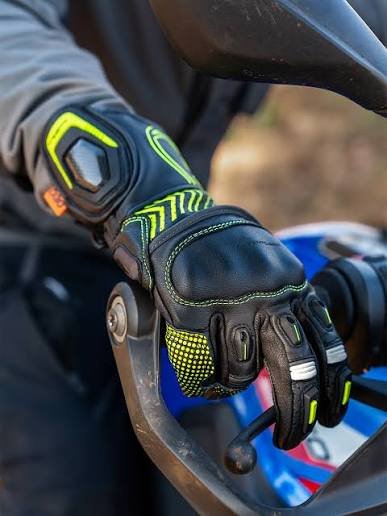
Your hands are usually the first part of the body to touch the ground during a fall.
Good riding gloves protect:
- Fingers
- Knuckles
- Palm
- Wrist
Features to Look For
- Hard knuckle protection
- Palm sliders
- Leather construction
- Secure wrist closure
- Ventilation
Never ride a superbike wearing ordinary fashion gloves.
4. Riding Pants
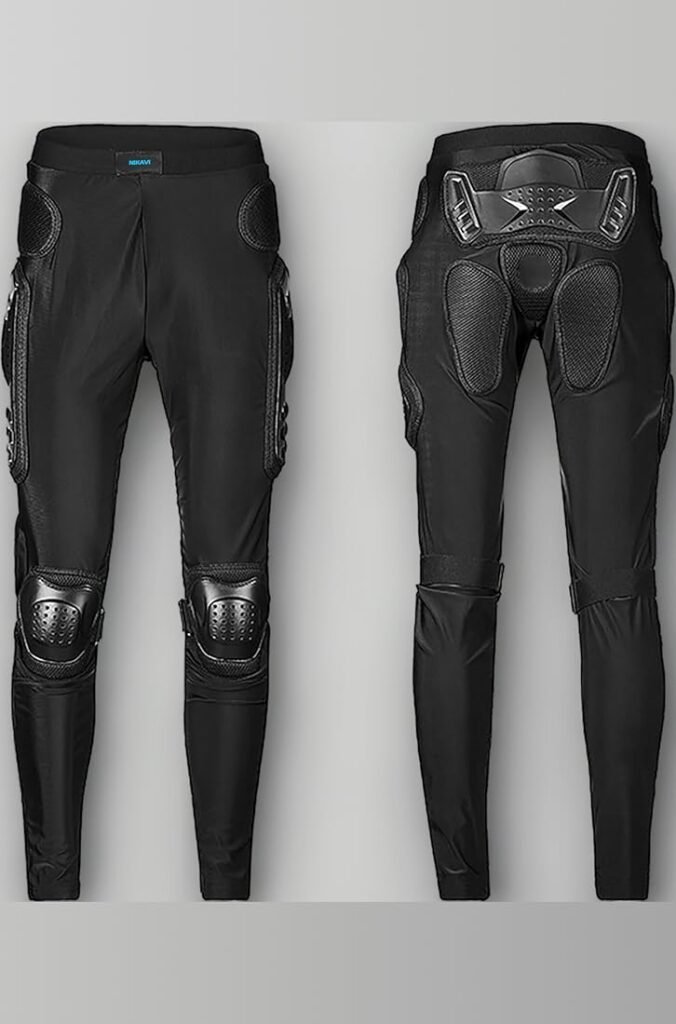
Regular jeans provide very little protection during a motorcycle crash.
Motorcycle riding pants include abrasion-resistant materials and impact protectors for the knees and hips.
Benefits
- Better protection
- Comfortable riding position
- Weather resistance
- Improved durability
Some riding jeans combine casual styling with hidden protective armor, making them ideal for daily use.
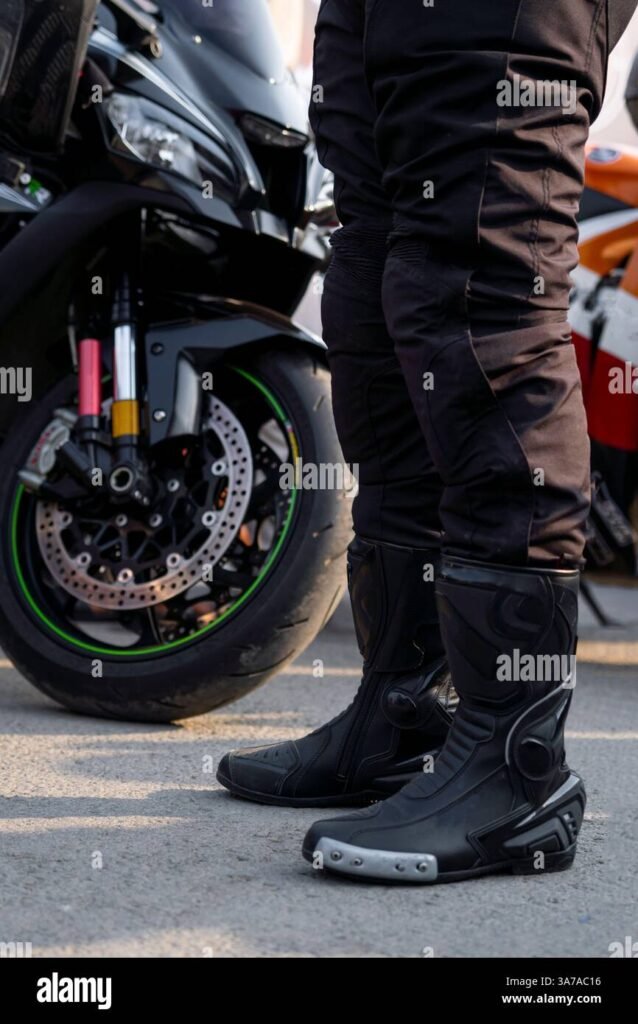
5. Riding Boots
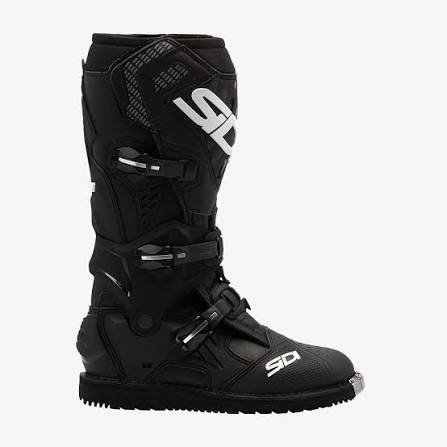
Proper riding boots protect your feet and ankles while improving grip on the foot pegs.
Good Riding Boots Should Include
- Ankle protection
- Reinforced toe area
- Heel protection
- Oil-resistant sole
- Waterproof lining (optional)
Avoid wearing sports shoes or sandals while riding a superbike.
6. Back Protector
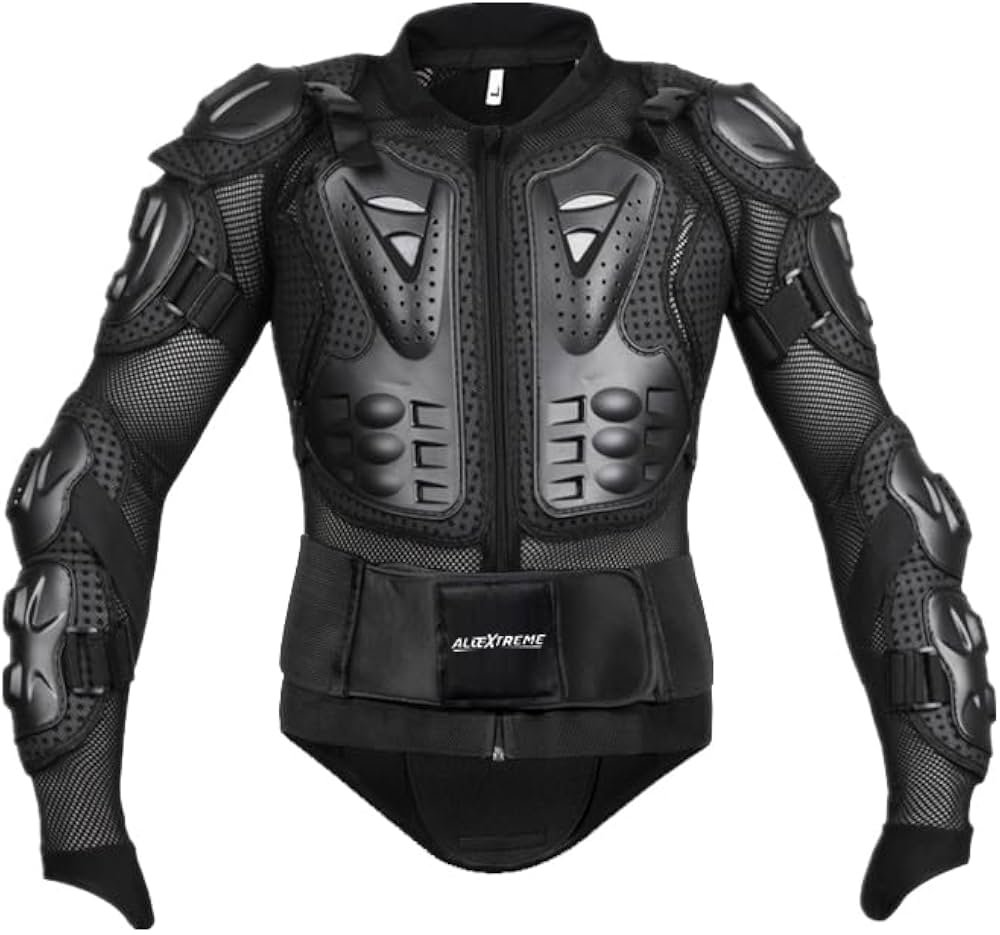
Many riding jackets include basic back protection, but upgrading to a dedicated CE-certified back protector provides better impact absorption.
It helps protect the spine during a fall and is especially recommended for highway and track riding.
7. Chest Protector
Some premium riding jackets allow chest protectors to be added.
These protect the ribs and chest during frontal impacts and provide an extra layer of safety for sport riders.
8. Knee and Elbow Guards
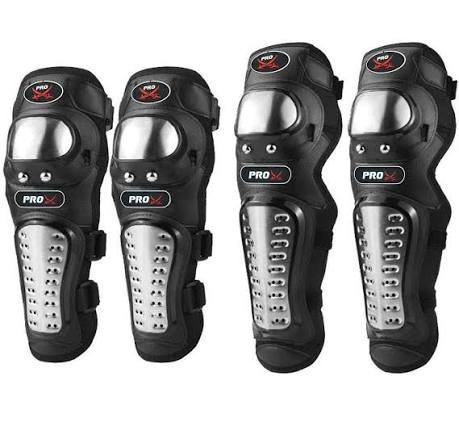
If you don’t own a full riding suit, standalone knee and elbow guards offer additional protection.
These are especially useful for:
- Weekend rides
- Highway touring
- Adventure riding
Always ensure they fit securely without restricting movement.
9. Riding Suit
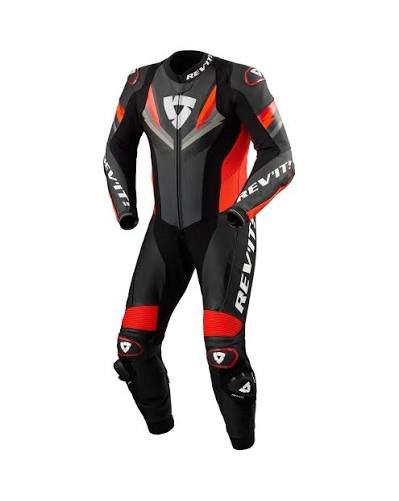
Track riders often choose a one-piece or two-piece leather riding suit.
Advantages
- Maximum abrasion resistance
- Integrated armor
- Aerodynamic fit
- Better protection during slides
While expensive, a riding suit offers the highest level of protection available for sport riding.
10. Rain Gear and Base Layers
Weather can change quickly during long rides.
Carry:
- Waterproof rain suit
- Thermal base layers for winter
- Cooling base layers for summer
- Neck gaiter or balaclava
These accessories improve comfort without compromising safety.
Essential Accessories
Experienced riders also recommend carrying:
- Earplugs for long highway rides
- Hydration pack
- Helmet lock
- Anti-fog visor insert
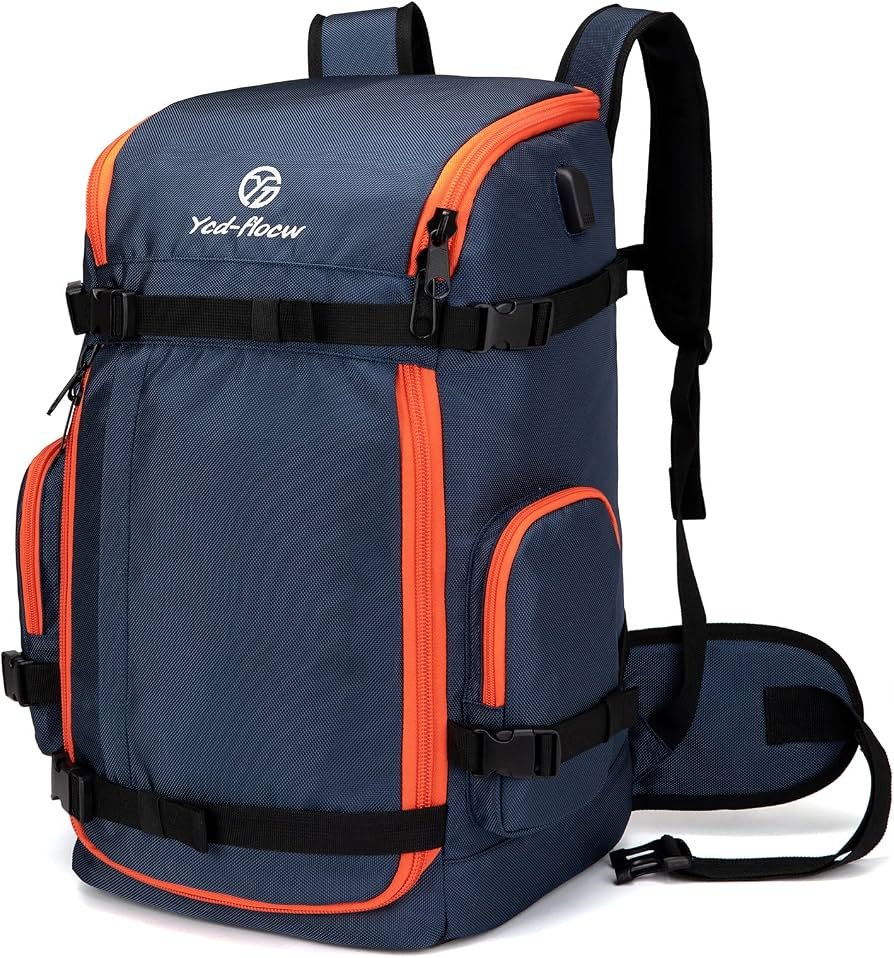
- Motorcycle backpack
- Phone mount (used safely)
- Reflective vest for night riding
These accessories make long rides more comfortable and convenient.
How to Choose the Right Riding Gear
Before buying riding gear, consider the following:
Fit
Gear should fit snugly but still allow comfortable movement.
Safety Certification
Choose products with CE-certified armor and internationally recognized helmet certifications.
Material
Select leather for maximum abrasion resistance or textile gear for better ventilation and touring comfort.
Climate
Mesh gear works well in hot weather, while waterproof and thermal gear is better for colder or rainy conditions.
Budget
Avoid buying the cheapest gear. Investing in quality equipment provides better protection and lasts longer.
Common Mistakes Riders Make
Avoid these common mistakes:
- Riding without gloves
- Wearing casual shoes instead of riding boots
- Using a loose helmet
- Ignoring safety certifications
- Buying gear only for appearance
- Riding in shorts or regular jeans
- Skipping back protection
The right gear should always prioritize safety over style.
Frequently Asked Questions (FAQs)
Is riding gear really necessary?
Yes. Riding gear significantly reduces the risk of serious injuries by protecting your head, spine, hands, feet, and other vulnerable areas.
What is the most important riding gear?
A certified full-face helmet is the most important item, followed by a riding jacket, gloves, boots, and protective pants.
Can I use normal jeans while riding?
Regular jeans offer very little abrasion protection. Motorcycle riding pants or armored riding jeans are much safer.
Should beginners buy full riding gear?
Absolutely. Every rider, regardless of experience, should wear complete protective gear on every ride.
How long does riding gear last?
The lifespan depends on usage and care. Inspect your gear regularly for damage and replace helmets after a significant impact or according to the manufacturer’s recommendations.
Final Verdict
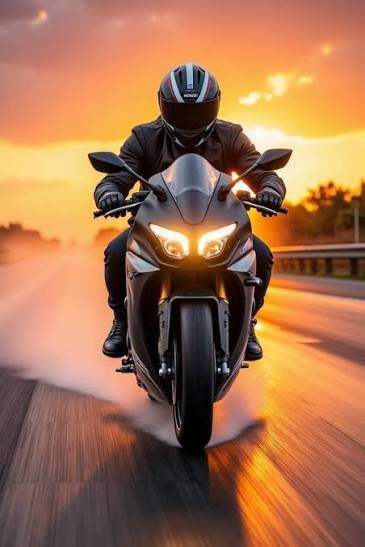
The best riding gear is the gear that you wear every time you ride. A high-performance superbike deserves high-quality protective equipment, and your safety should always come before speed or style. Investing in a certified helmet, protective jacket, gloves, boots, riding pants, and body armor can make a significant difference in reducing injuries and improving confidence on the road.
Whether you’re commuting, touring, or enjoying a track day, proper riding gear helps you stay comfortable, protected, and prepared for changing conditions. Build your riding kit gradually if needed, but never compromise on essential safety equipment.
For more superbike reviews, riding tips, buying guides, gear recommendations, and motorcycle comparisons, keep visiting SuperBikeReviews.com and stay informed about the latest in the world of high-performance motorcycles.