
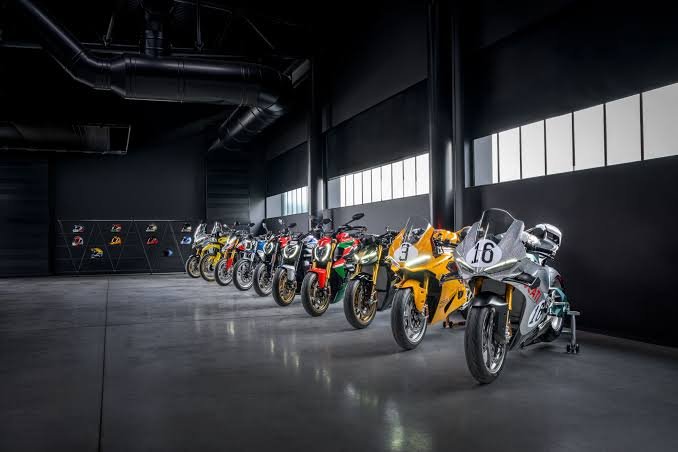
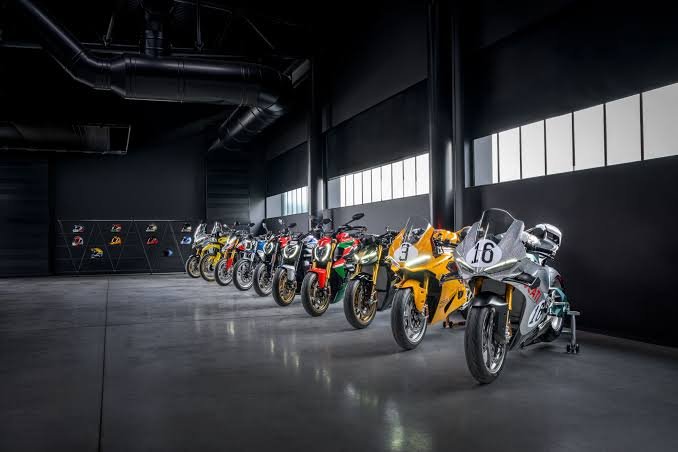
Superbikes have come a long way over the last four decades. What started as powerful sport motorcycles in the early 1980s has evolved into highly advanced machines equipped with cutting-edge electronics, lightweight materials, aerodynamic designs, and race-inspired technology. Today’s superbikes are faster, safer, and more capable than ever before, offering a riding experience that was once only possible on professional racing circuits.
Manufacturers such as Honda, Kawasaki, Yamaha, Suzuki, Ducati, BMW, Aprilia, Triumph, and KTM have continuously pushed the boundaries of engineering. Every new generation has introduced better engines, stronger braking systems, smarter electronics, and improved rider safety.
In this article, we’ll explore the fascinating journey of superbikes from the 1980s to 2026 and see how these incredible machines became icons of speed and performance.
The 1980s – The Birth of the Modern Superbike
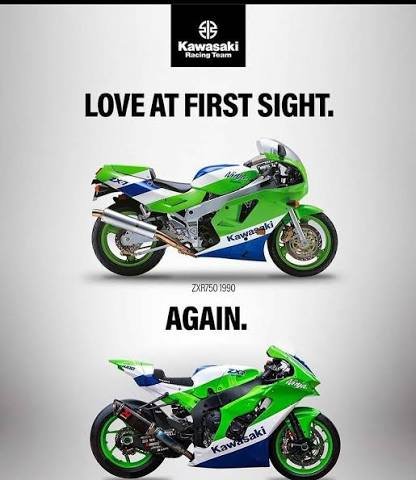
The 1980s are often considered the beginning of the modern superbike era. Motorcycle manufacturers shifted their focus from simple performance bikes to machines designed for speed, handling, and racing.
During this decade, liquid-cooled engines became more common, replacing older air-cooled designs. Manufacturers also started improving chassis rigidity and suspension systems to handle increasing power outputs.
Popular Superbikes of the 1980s
- Honda VFR750R (RC30)
- Suzuki GSX-R750
- Kawasaki GPZ900R
- Yamaha FZR750
These motorcycles introduced technologies that would influence future generations for decades.
Major Innovations
- Liquid-cooled engines
- Aluminum frames
- Improved aerodynamics
- Disc brakes
- Better suspension systems
The 1980s laid the foundation for everything that followed.
The 1990s – More Power and Better Handling
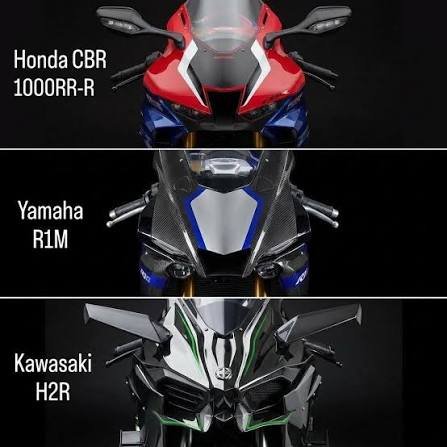
The 1990s saw rapid improvements in both engine performance and motorcycle handling. Manufacturers competed fiercely to build lighter, faster, and more reliable machines.
Fuel delivery became more refined, chassis design improved, and suspension technology advanced significantly.
The release of the Suzuki Hayabusa in 1999 changed the motorcycle world forever. Its incredible speed and aerodynamic design made it an instant legend.
Famous Superbikes of the 1990s
- Suzuki Hayabusa
- Honda CBR900RR FireBlade
- Yamaha YZF-R1
- Kawasaki Ninja ZX-9R
Key Developments
- Higher horsepower
- Better braking performance
- Lightweight frames
- Improved rider ergonomics
- Aerodynamic bodywork
This decade marked the beginning of the superbike speed wars.
The 2000s – The Electronics Revolution
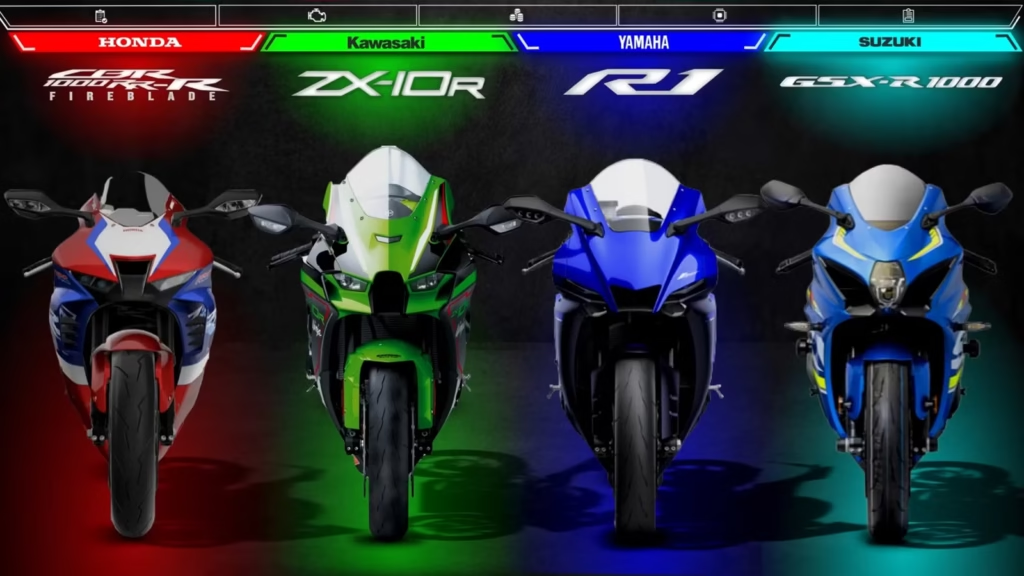
The early 2000s transformed superbikes through the introduction of electronic rider aids.
Manufacturers began using technology previously reserved for racing motorcycles.
Fuel injection replaced carburetors on most premium models, improving throttle response and fuel efficiency.
Popular Superbikes
- Kawasaki Ninja ZX-10R
- Honda CBR1000RR Fireblade
- Yamaha YZF-R1
- Suzuki GSX-R1000
- Ducati 999
New Technologies
- Electronic fuel injection
- Slipper clutch
- Adjustable suspension
- Lightweight aluminum chassis
- Better ECU management
Motorcycles became faster while also becoming easier to control.
The 2010s – Smart Superbikes
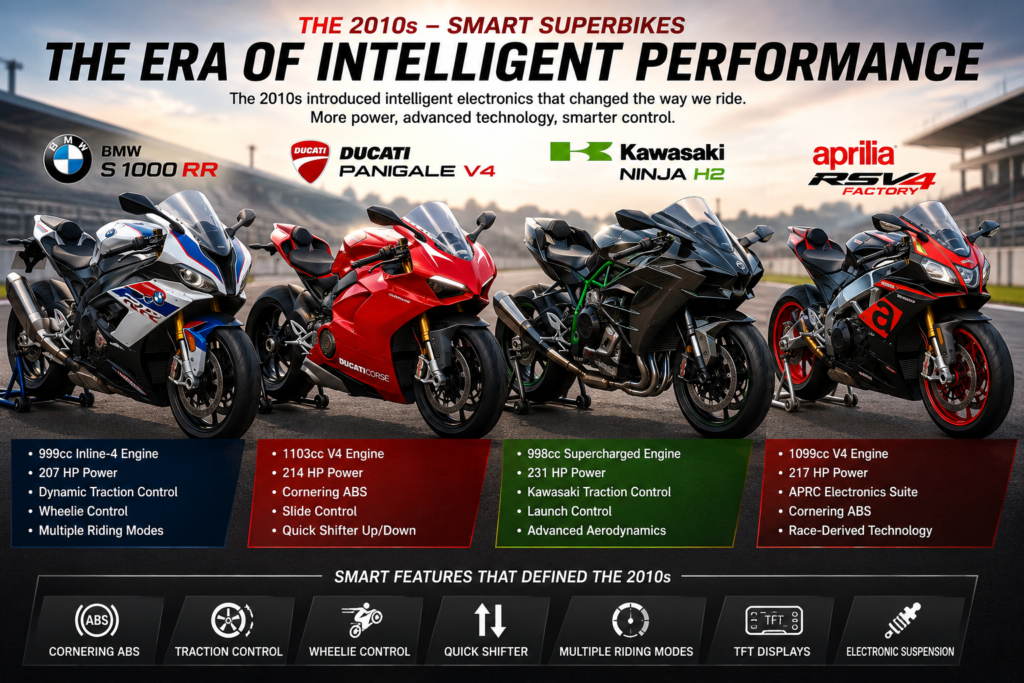
The 2010s introduced intelligent electronics that completely changed the riding experience.
Manufacturers developed sophisticated systems capable of monitoring wheel speed, lean angle, throttle position, braking force, and traction hundreds of times every second.
These systems improved both safety and performance.
Game-Changing Features
- Cornering ABS
- Traction Control
- Wheelie Control
- Launch Control
- Riding Modes
- TFT Displays
- Quick Shifters
Iconic Superbikes
- BMW S1000RR
- Ducati Panigale V4
- Aprilia RSV4
- Kawasaki Ninja H2
- Yamaha YZF-R1M
The introduction of the supercharged Kawasaki Ninja H2 showed how manufacturers were willing to explore entirely new engineering concepts.
The 2020s – The Era of Intelligent Performance
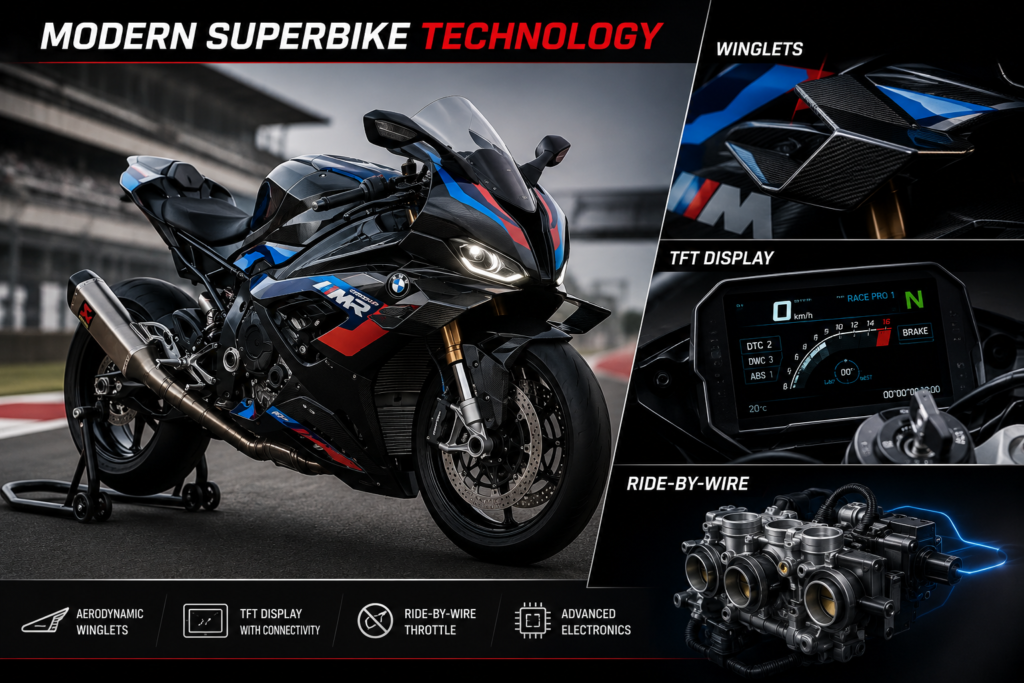
Today’s superbikes combine incredible power with advanced electronics and rider-focused technology.
Modern motorcycles feature:
- Ride-by-wire throttle
- Smartphone connectivity
- GPS-based riding data
- Cruise control
- Engine brake control
- Slide control
- Cornering traction control
- Bi-directional quick shifters
Manufacturers now focus not only on speed but also on making motorcycles easier and safer to ride.
Aerodynamics have also become increasingly important, with MotoGP-inspired winglets helping improve stability during acceleration and braking.
The Future of Superbikes in 2026
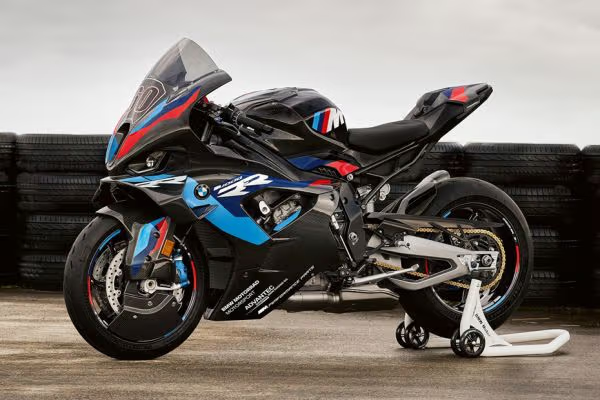
The latest generation of superbikes represents the highest level of motorcycle engineering ever achieved.
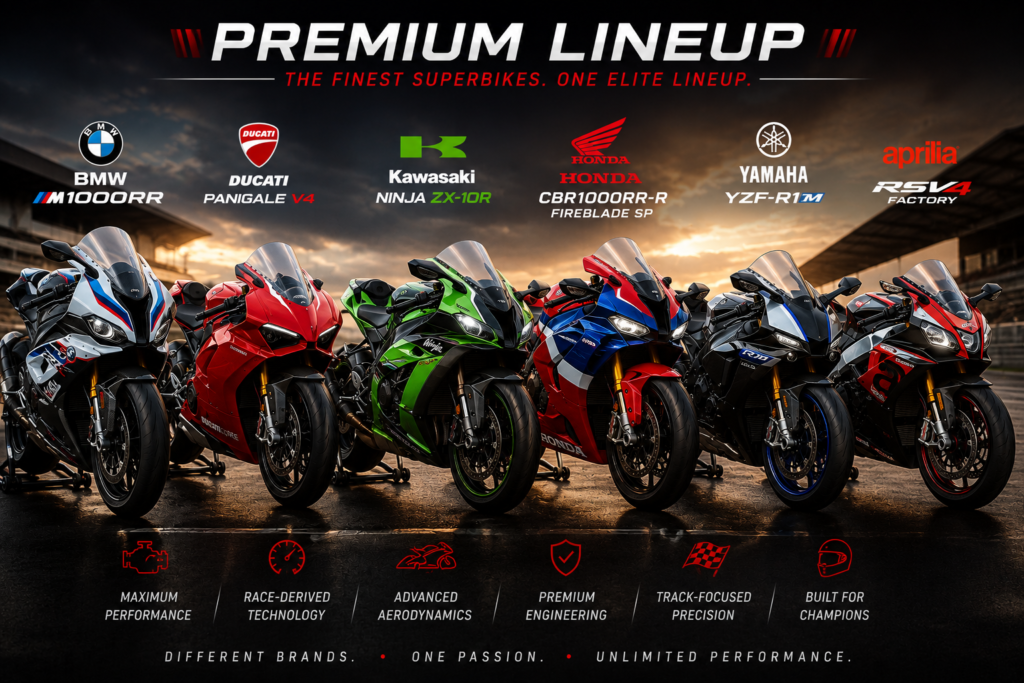
Popular motorcycles in 2026 include:
- BMW M1000RR
- Ducati Panigale V4
- Kawasaki Ninja ZX-10R
- Honda CBR1000RR-R Fireblade SP
- Yamaha YZF-R1M
- Aprilia RSV4 Factory
- Suzuki Hayabusa
Manufacturers continue improving:
- Engine efficiency
- Rider safety
- Lightweight materials
- Aerodynamics
- Electronic assistance
Artificial intelligence and connected technologies are also beginning to influence future motorcycle development.
How Racing Changed Superbikes
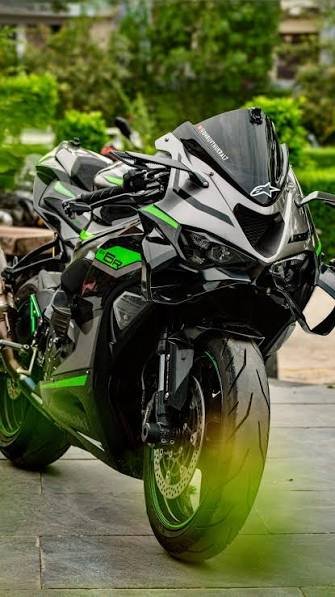
Professional racing has played a major role in superbike development.
Technologies first developed for MotoGP and World Superbike Championship eventually appear on production motorcycles.
Examples include:
- Winglets
- Quick shifters
- Launch control
- Advanced traction control
- Lightweight materials
- Electronic suspension
Without racing, today’s superbikes would look very different.
Evolution of Safety
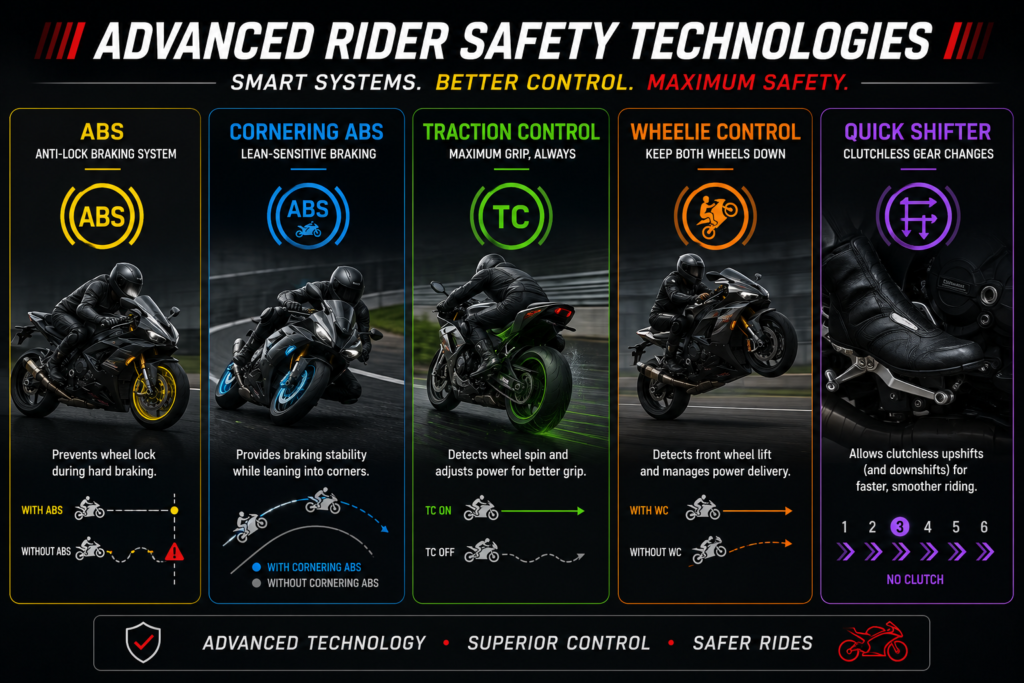
One of the biggest improvements over the years has been rider safety.
Early superbikes relied almost entirely on rider skill.
Today’s motorcycles include:
- ABS
- Cornering ABS
- Traction Control
- Wheelie Control
- Slide Control
- Cruise Control
- Multiple Riding Modes
These systems help riders maintain control in a variety of road conditions without replacing the need for good riding skills.
Design Evolution
Superbike styling has also changed dramatically.
1980s
- Square headlights
- Simple fairings
- Basic graphics
1990s
- Sharper bodywork
- Larger fuel tanks
- Better aerodynamics
2000s
- Aggressive styling
- Twin headlights
- Lightweight body panels
2010s
- LED lighting
- Compact tail sections
- Aerodynamic fairings
2020s
- Carbon fiber components
- Winglets
- TFT displays
- Premium paint finishes
Today’s superbikes are designed using wind tunnel testing and computer simulations.
What Makes Modern Superbikes Better?
Modern superbikes offer several advantages compared to earlier generations:
- More horsepower
- Better fuel efficiency
- Improved reliability
- Advanced electronics
- Better braking systems
- Safer riding experience
- Superior suspension
- Lightweight materials
- Comfortable ergonomics
- Smartphone connectivity
These improvements make modern motorcycles faster while also being easier to ride.
Frequently Asked Questions (FAQs)
Which decade changed superbikes the most?
The 2010s had the biggest impact because electronic rider aids such as traction control, cornering ABS, and quick shifters became standard on many premium motorcycles.
Which motorcycle started the superbike speed wars?
The Suzuki Hayabusa, launched in 1999, became famous for its incredible speed and played a major role in the superbike speed competition.
Why are modern superbikes safer?
Modern superbikes include advanced electronics such as ABS, traction control, riding modes, and wheelie control, helping riders maintain stability and confidence.
Are modern superbikes easier to ride?
Yes. Despite producing much more power than older motorcycles, modern electronics make them smoother, safer, and easier to control.
What is the future of superbikes?
Future superbikes are expected to feature even smarter electronics, lighter materials, improved aerodynamics, greater connectivity, and cleaner engine technologies while continuing to deliver outstanding performance.
Final Verdict
The evolution of superbikes from the 1980s to 2026 is a remarkable story of innovation, engineering, and passion. Over the decades, these machines have transformed from powerful sport motorcycles into technologically advanced masterpieces capable of delivering extraordinary performance with improved safety and reliability.
Every era has introduced groundbreaking innovations—from aluminum frames and fuel injection to traction control, winglets, and intelligent rider-assistance systems. Thanks to constant development inspired by racing, today’s superbikes offer an experience that combines breathtaking speed with confidence-inspiring technology.
Whether you’re a beginner fascinated by motorcycle history or an experienced rider dreaming of your next machine, understanding this evolution helps you appreciate just how far superbikes have come. And with new technologies continuing to emerge, the future of superbikes looks even more exciting.
For more superbike reviews, motorcycle history, buying guides, maintenance tips, and performance comparisons, visit SuperBikeReviews.com—your trusted destination for everything related to high-performance motorcycles.